
Returning to the Roots

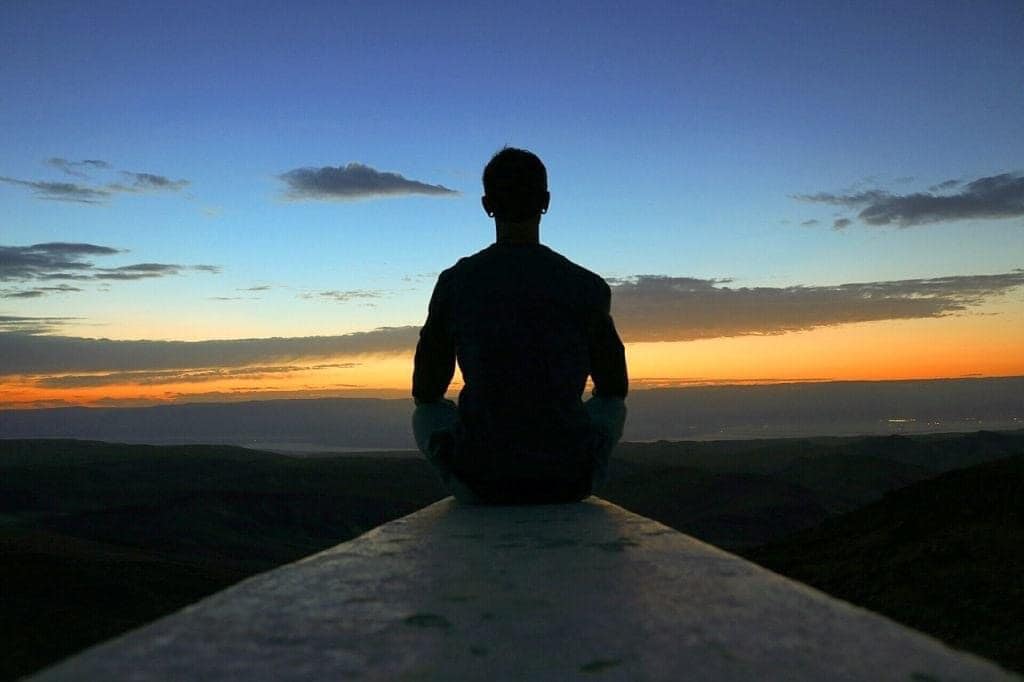
Why Men Need More Than Just the “Act” of Yoga
Most men step into yoga today expecting a workout — something that builds strength, mobility, maybe a little sweat. And that’s understandable. Modern yoga was built to look like fitness. It didn’t start that way, but it became that way through a very specific historical moment.
Understanding that moment matters, especially if we want yoga to be more than another item on the gym menu. It matters if we want yoga to reconnect us to our bodies, our minds, and the deeper sense of presence that so many men quietly crave.
Let’s look at how yoga became so posture‑focused — and why reclaiming its roots might be the most important shift men can make today.
💪 How Yoga Became a Physical Fitness System
Before the 20th century, yoga was not a mass physical exercise. It wasn’t a flow class, a mobility routine, or a sequence of poses at all. Asana meant “a steady, comfortable seat” — literally a posture for meditation, not a workout .
Medieval Hatha Yoga texts described only 15–30 postures, mostly seated, designed to prepare the body for breathwork and inner practice, not to sculpt the physique. Yoga was practiced by ascetics and householders, not taught as a standardized public fitness system.
The shift happened fast — and recently.
The 1920s–1930s: Yoga Meets Nationalism and Gymnastics
In the early 20th century, India was under British colonial rule. Indian reformers wanted to counter stereotypes of weakness and reclaim cultural pride. So they blended traditional yoga with Western gymnastics, wrestling, and calisthenics to create a stronger, more athletic form of yoga .
This wasn’t accidental — it was a nationalist project to build a vigorous, modern image of India .
Enter T. Krishnamacharya, the architect of modern postural yoga. Sponsored by the Maharaja of Mysore, he taught a dynamic, flowing, breath‑linked style that looked far more like physical training than meditation. His innovations — vinyasa, sequencing, athleticism — became the foundation of what we now call “yoga class”. He introduced breath-movement sequencing (vinyasa) and a dynamic, flowing style of asana practice.
His students carried this new physical yoga across the world:
- Pattabhi Jois → Ashtanga Vinyasa (fast, flowing)
- B.K.S. Iyengar → alignment‑based practice
- Indra Devi → Hollywood and Western pop culture
By the 1950s–1970s, yoga was on TV, in magazines, and eventually in gyms — framed as exercise, wellness, and lifestyle .
That’s how we got here.
🧠 Why This Matters for Men Today
When you walk into a modern studio, you’re stepping into a system shaped by nationalism, media, and Western fitness culture — not by the original intention of yoga.
That’s why so many men say:
- “I just want a harder class.”
- “I get bored when we slow down.”
- “I don’t see the point of the mental stuff.”
They’re responding to the version of yoga they inherited — not the one yoga was meant to be.
But here’s the truth: The physical practice was never designed to stand alone.
Yoga was always meant to be a system of integration — body, breath, attention, and inner steadiness. The poses were simply tools to prepare the body for deeper work.
When we strip yoga down to movement alone, men lose the very thing that makes yoga transformative:
- The ability to regulate the nervous system
- The ability to feel the body from the inside
- The ability to interrupt stress patterns
- The ability to cultivate presence, not performance
This is the part men are starving for — even if they don’t know it yet.
🔥 A Moment in the Classroom That Shows Where Men’s Yoga Really Is
I taught a class last week that revealed something important about where men’s yoga stands today — and why reclaiming the roots of yoga matters more than ever.
I slowed things down. I emphasized breath. I talked about the body–mind connection and why yoga was never meant to be only physical.
Some men were open. Some were bored. Some were radically opposed.
And honestly, that mix told me everything.
Most men aren’t resisting depth because it’s “boring.” They’re resisting it because it’s unfamiliar. Because it asks them to feel. Because it asks them to be present rather than perform.
That moment in class was a microcosm of the larger movement we’re navigating: yoga became physical through history, culture, and media — not because that’s what it was meant to be. And now we’re trying to bend it back toward wholeness.
🌱 Why Men’s Natural Yoga Exists
Men’s Natural Yoga was created for exactly this reason.
We’re here to help men reconnect yoga to its original purpose — not by rejecting the physical practice, but by restoring the meaning underneath it.
Our goals are simple and powerful:
- Reclaim yoga as a practice of presence, not performance.
- Teach men how to inhabit their bodies, not escape them.
- Integrate breath, attention, and movement so the nervous system can settle.
- Offer a grounded, masculine approach that feels natural, not performative.
- Create a community where men can show up without pretense or pressure.
This isn’t about making yoga “less physical.” It’s about making yoga whole again.
When men understand why yoga was built the way it was — and why it shifted — they begin to appreciate the slower moments, the breathwork, the stillness, the inner steadiness. They stop seeing these parts as optional and start seeing them as essential.
🌄 A New Understanding of the Practice
The class I taught last week wasn’t a failure. It was a mirror.
It showed exactly where men are starting from — and exactly why this work matters.
Modern yoga became physical because history bent it that way. Now we have the chance to bend it back.
Not toward dogma. Not toward religion. But toward wholeness.
Toward the body–mind connection that men desperately need in a world that teaches them to disconnect.
This is the movement we’re building. This is the work we’re doing together. And this is why returning to the roots of yoga isn’t just interesting — it’s necessary.






I have stayed with Yoga with you because of the way you lead and teach. It was exactly what I needed when I started and still need.
@winterrules79 It is always great to have you in class! ~ Namaste’